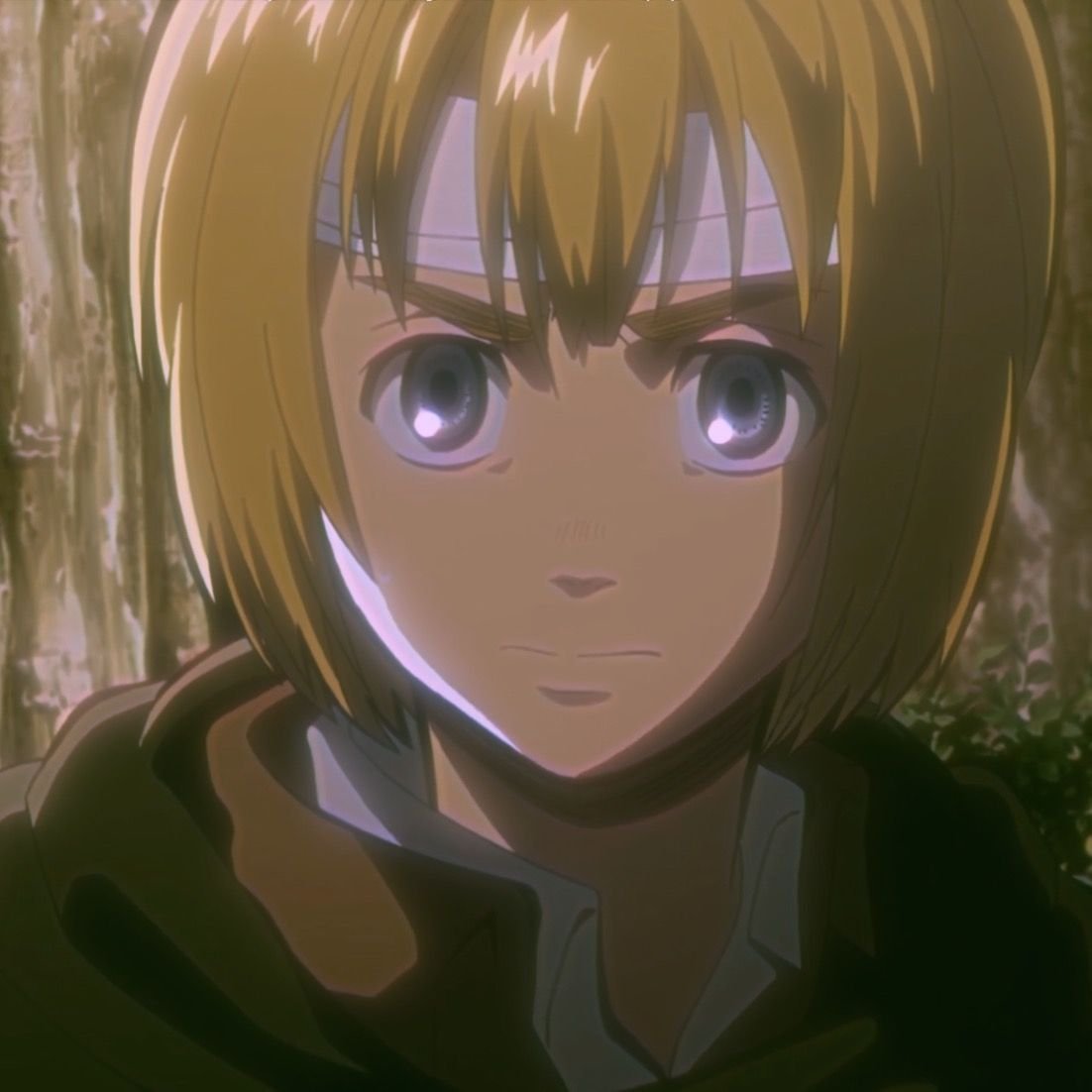
Welcome to our comprehensive hub exploring the profound world of Fullmetal Alchemist: Brotherhood. Before we dive deep, it's crucial to address the specific keyword that brought you here: "Armin Arlert in Fullmetal Alchemist Brotherhood explained." Based on extensive authoritative research into Hiromu Arakawa's masterpiece and its faithful anime adaptation, Fullmetal Alchemist: Brotherhood, a character named Armin Arlert does not appear within its narrative. Armin Arlert is a beloved and iconic character from another critically acclaimed anime series, Attack on Titan.
It appears there might be a mix-up, which is completely understandable given the vast landscape of compelling anime characters! However, fear not, as this Super Pillar hub is meticulously crafted to illuminate every facet of Fullmetal Alchemist: Brotherhood itself, from its philosophical underpinnings to its unforgettable characters and breathtaking narrative. While we won't be discussing Armin Arlert in FMA:B (as he is not a part of it), we promise a rich, human-first exploration of why Brotherhood stands as a titan in anime history.
Please note: While this article is designed as a Super Pillar Hub to guide you to more detailed explorations, specific pillar link placeholders were not provided for this request. Therefore, we will structure the content to naturally lead into these deeper discussions, using descriptive headings that would serve as gateways to individual pillar articles.
The Enduring Legacy of Fullmetal Alchemist: Brotherhood
Fullmetal Alchemist: Brotherhood (2009) isn't just an anime; it's a phenomenon. This adaptation stands out as the definitive animated version of Hiromu Arakawa's manga, delivering a narrative that is both epic in scale and deeply personal. Unlike its 2003 predecessor, Brotherhood meticulously follows the manga's original storyline, offering a consistent and powerful vision that has garnered critical acclaim and a dedicated global fanbase. Its influence on modern anime is undeniable, setting high standards for narrative depth, character development, and philosophical exploration.
At its core, Brotherhood invites viewers into a world where alchemy is both a science and a forbidden art, bound by the immutable law of Equivalent Exchange. This foundational principle dictates that to obtain something, something of equal value must be lost. This isn't just a rule of alchemy; it's the moral compass for every character, shaping their choices, their sacrifices, and their very existence. Understanding this concept is key to unlocking the true genius of the series, paving the way for discussions on its various applications and implications throughout the story.
A Tale of Redemption and Sacrifice: The Elric Brothers' Journey
The heart of Fullmetal Alchemist: Brotherhood beats with the story of Edward and Alphonse Elric. These two brothers embark on a desperate quest to restore their bodies after a catastrophic attempt to resurrect their deceased mother using forbidden human transmutation. Edward, the "Fullmetal Alchemist," loses an arm and a leg, replaced by automail prosthetics, while Alphonse's entire soul is tethered to a suit of armor. Their journey is a relentless pursuit of the Philosopher's Stone, an alchemical artifact rumored to defy the laws of Equivalent Exchange.
Their path is fraught with moral dilemmas, powerful adversaries, and profound personal growth. Edward, initially driven by arrogance and a fierce determination, evolves into a leader who deeply understands the price of his actions and the value of human life. Alphonse, encased in metal, grapples with his identity and the very meaning of being human, often displaying a wisdom that belies his younger appearance. Their bond is the unwavering anchor of the series, a testament to brotherly love and unwavering loyalty. To fully appreciate their struggles and triumphs, it's essential to delve into the detailed evolution of their characters and the sacrifices they make for each other.
The Menace of the Homunculi and the Shadow of Father
Opposing the Elric brothers and threatening the entire nation of Amestris are the Homunculi, a group of seven beings named after the Seven Deadly Sins, each embodying a specific vice. These are not mere villains but complex antagonists, created by "Father," the series' ultimate antagonist. Father, originally the "Dwarf in the Flask" from the ancient kingdom of Xerxes, orchestrates a millennia-long plan to achieve divinity by sacrificing the entire country of Amestris.
The Homunculi, such as Sloth, Envy, Lust, Gluttony, Greed, Wrath, and Pride, are more than just physical threats; they raise profound questions about the essence of humanity, morality, and the nature of sin. Their origins and motivations are deeply intertwined with the series' overarching themes, offering a dark mirror to the human condition. Exploring the backstory of Father and the individual Homunculi reveals layers of thematic richness that challenge the viewer's perceptions of good and evil.
Thematic Depth: Beyond the Action
Fullmetal Alchemist: Brotherhood transcends typical action anime with its sophisticated exploration of complex themes. Beyond the foundational principle of Equivalent Exchange, the series delves into:
- Atonement and Redemption: Many characters, including the Elric brothers and figures like Scar, grapple with past mistakes and seek to atone for their actions, often through immense sacrifice. Scar, for instance, transitions from a vengeful warrior to someone seeking understanding and aiding in the fight for a greater good.
- The Ethics of Science: The story constantly questions the moral consequences of the pursuit of knowledge, particularly through alchemy. The creation of the Philosopher's Stone, powered by human lives, serves as a chilling reminder of scientific ambition unchecked by ethics.
- The Horrors of War and Political Intrigue: Characters like Roy Mustang and the military hierarchy embody the ambitions and trauma of war, showcasing the devastating impact of conflict and the moral compromises made in its wake. The political landscape of Amestris is intricate, revealing the corruption and power struggles that often underpin conflict.
These interwoven themes provide a rich tapestry for discussion, inviting audiences to ponder the deeper meanings behind the battles and personal struggles.
A Satisfying Conclusion and Lasting Impact
The climax of Fullmetal Alchemist: Brotherhood delivers a powerful and emotional resolution, fully adapting the manga's ending. In the final confrontation with Father, Alphonse sacrifices his soul to restore Edward's original arm. After Father's defeat, Edward makes the ultimate Equivalent Exchange at the Gate of Truth, sacrificing his ability to use alchemy to bring Alphonse's body back to him. The brothers return to Winry, and a touching photo in the future shows Ed and Winry with their children, alongside Al and May Chang, providing a heartwarming glimpse into their post-adventure lives.
Though the anime faithfully adapted the manga, a bonus chapter, "Another Journey's End," explores Al's return to Resembool, where he requests Winry to melt down his old armor for automail parts, symbolizing a new beginning and continued commitment to helping others. This forward-looking perspective underscores the enduring message of the series: growth, recovery, and the commitment to a better future.
Fullmetal Alchemist: Brotherhood's legacy is secure. It's a masterclass in storytelling, character development, and thematic exploration, recognized with awards like the Tokyo Anime Award in 2011. Its faithful adaptation of the manga created a benchmark for anime, influencing countless series with its depth and emotional resonance. The journey of the Elric brothers and the world of Amestris will continue to resonate with audiences, inspiring reflection on sacrifice, redemption, and the true cost of power for generations to come.